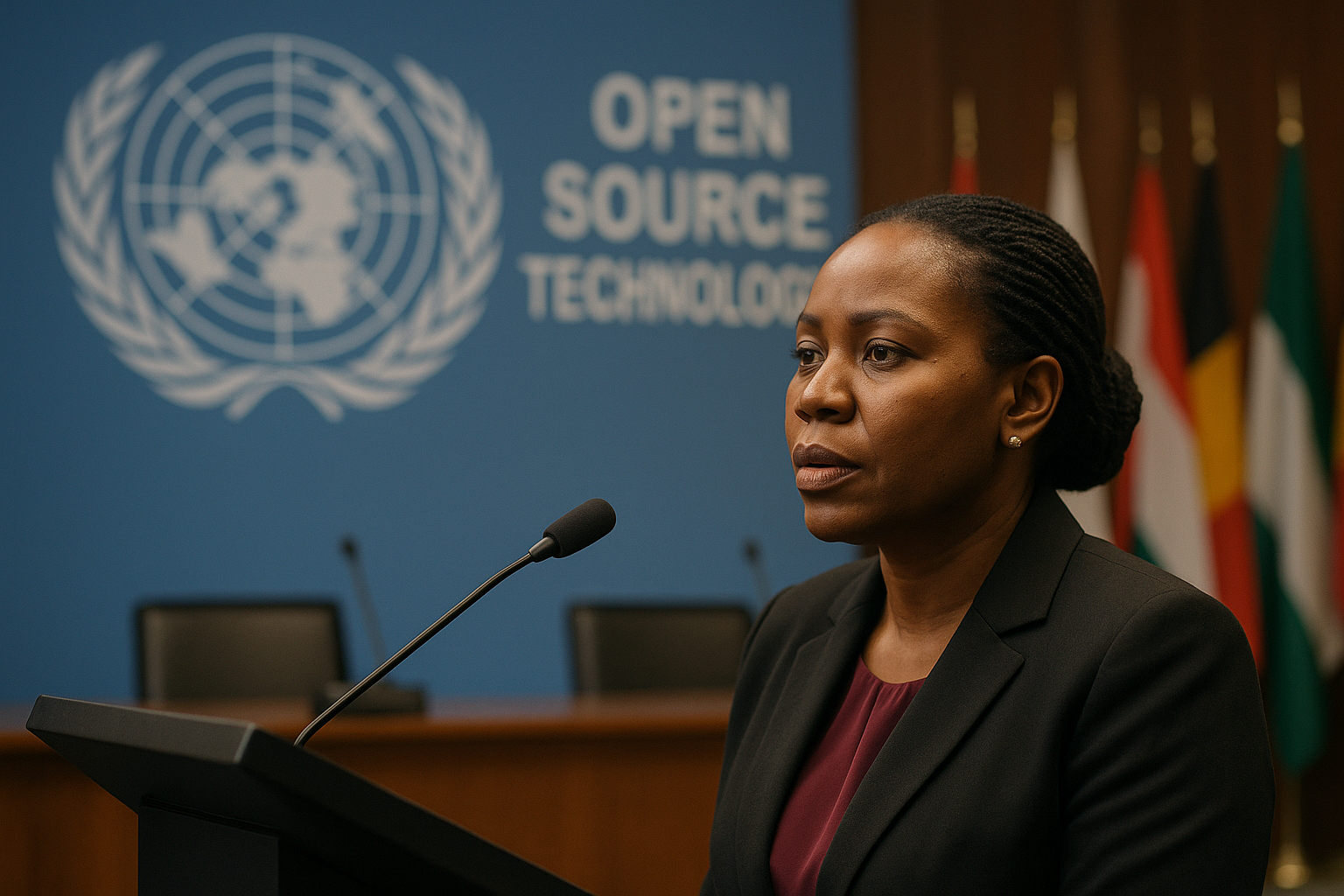
In recent years, the concept of digital sovereignty has gained immense traction worldwide, particularly at the United Nations during the Open Source Week. Many countries are rallying for a shift away from reliance on American tech giants, seeking to establish control over their digital systems through open source technologies. This movement underscores a fundamental belief: digital sovereignty hinges on using open standards and software to ensure national autonomy in managing data, infrastructure, and technology.
The Significance of Open Source
Digital sovereignty is no longer viewed merely as a theoretical framework; countries are increasingly implementing practical measures to gain control over their digital ecosystems. A striking example of this shift comes from Tanzania, where the Minister for Legal and Constitutional Affairs, Angellah Jasmine Kairuki, emphasized the need for nations to become ‘active creators’ rather than ‘passive consumers’ of technology. With over 90% of Tanzania’s government systems now operating on open-source technologies, the country serves as a model for others aspiring to digital independence.
The importance of open source is also echoed in Europe and various Global South countries, as they strive to reduce dependency on proprietary solutions from companies like Microsoft, Google, and Amazon. This recognition is not purely a technological shift; it reflects deeper, systemic changes in the approach to digital governance and societal empowerment.
Moving Towards a Collaborative Future
During the discussions at the UN, it became clear that digital sovereignty is about more than just isolating national tech stacks. Instead, it embodies a commitment to interoperability and shared ownership of infrastructure. This is crucial as governments navigate an increasingly interconnected world, where the ability to switch vendors without disrupting essential services is vital.
Experts like Sergio Gago from Cloudera warn that reliance on a handful of providers could lead to greater biases in AI, highlighting the urgent need for a diverse and open approach to technology. Real sovereignty means ensuring the freedom to control your data while maintaining the ability to innovate in collaboration with others.
Challenges and Opportunities
Despite the optimistic outlook for open-source solutions, challenges remain. The narrative pushed by some U.S. officials, suggesting that pursuing digital sovereignty leads to ‘synchronized mediocrity,’ reflects fears concerning competitive viability. However, the consensus at the UN was that open source is foundational to building resilient and flexible infrastructures.
As various nations chart their course for digital sovereignty, the journey will not be without obstacles. Questions about funding, investment, and political will continue to loom large. Nevertheless, the foundational belief that empowering citizens and fostering collaborative technology ecosystems can outweigh the risks represents a significant shift in global technological governance.
The Path Ahead
As more countries embrace the principles of digital sovereignty, the landscape of the technology industry is set to change dramatically. By investing in open-source frameworks, governments can foster innovation while maintaining control over critical data and infrastructure. Though pathways may differ, the underlying sentiment remains: digital sovereignty, built on open-source technology, is not just a trend but a crucial step towards a more equitable technological future.
For further insights into the dynamics of digital sovereignty and the role of open source in its advancement, you can read the full article on ZDNet: Digital Sovereignty: A Global Push to Replace US Cloud Giants with Open Source Tech.