Digital Sovereignty: The Global Push for Open Source Solutions
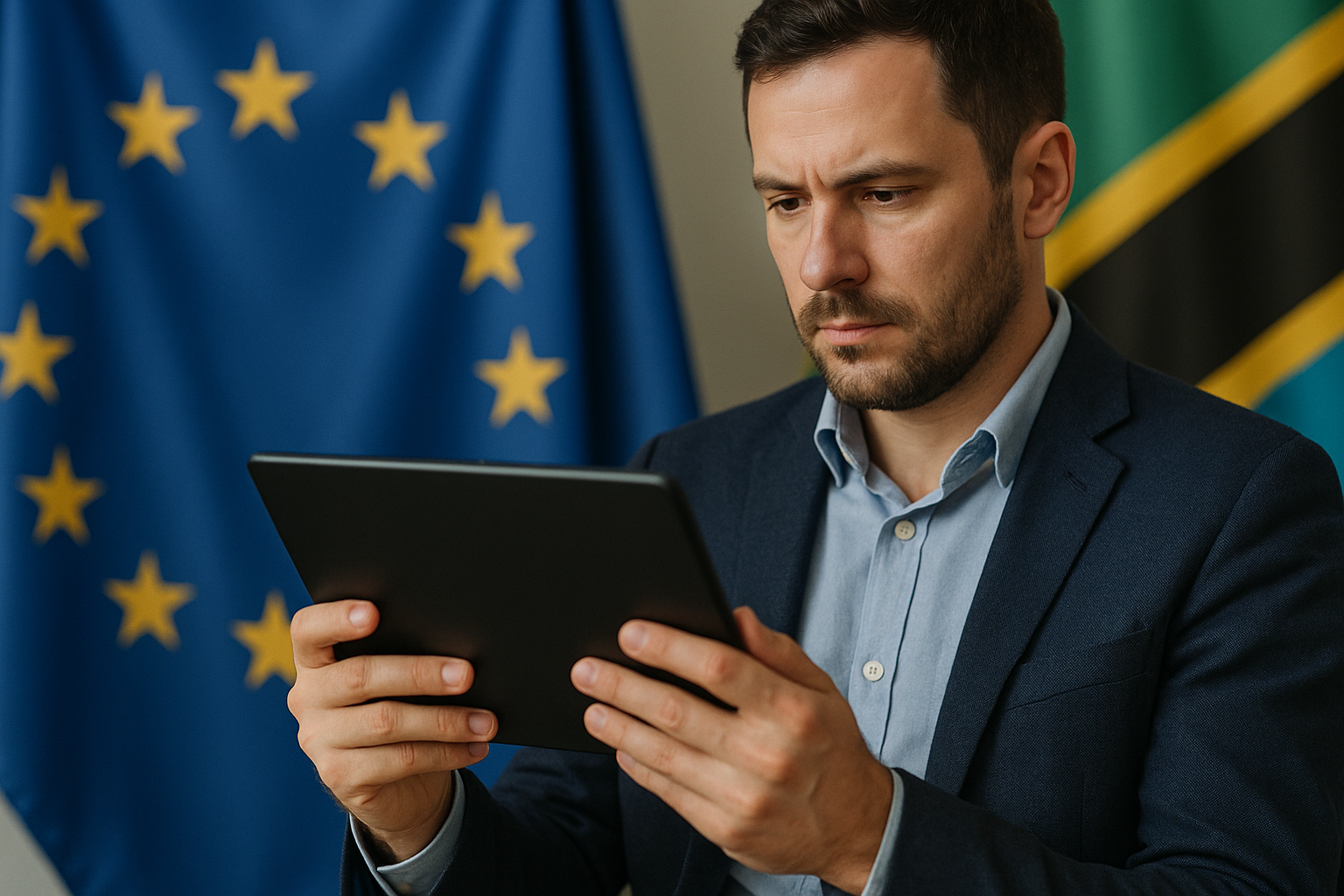
At the recent UN Open Source Week, the concept of digital sovereignty emerged as a key focal point, reflecting a growing international movement away from reliance on American technology giants. Countries across the globe, including various nations in Europe and the Global South, are seeking to establish control over their digital infrastructures through open source technologies.
What is Digital Sovereignty?
Digital sovereignty refers to a nation’s ability to control its own digital resources, including data, infrastructure, and technology, free from external influence, particularly that of major corporate entities. This principle emerged in response to concerns about dependency on proprietary software and cloud services developed by U.S. companies like Microsoft, Google, and Amazon Web Services.
Participants at the UN gatherings emphasized that digital sovereignty is not about isolation but about ownership and partnership based on open standards and technologies. The vision for the future includes the capacity for governments to switch vendors without failing essential services, a critical factor for maintaining operational stability.
The Case of Tanzania
Tanzania’s Minister for Legal and Constitutional Affairs, Angellah Jasmine Kairuki, presented a striking example of this shift in thought. She questioned who truly owns the technologies that serve their populations, advocating for a transition from being passive consumers to active creators of technology through open source. Impressively, over 90% of Tanzania’s government systems now operate on open source platforms, supported by a legal framework designed to encourage shared infrastructure and transparency.
The Role of Open Source Technologies
Open source is perceived as critical infrastructure, essential not just for individual countries but also for building cooperative international ecosystems. Many leaders argue it’s an essential vehicle for digital sovereignty, enabling countries to develop local capacity and security in their tech solutions.
Prominent voices from the sharing economy highlighted that AI and data governance should also pivot towards open interoperability to mitigate risks associated with centralized service provision. An essential question posed during discussions was whether institutions could maintain operational continuity amidst changing political landscapes and shifts in vendor relationships.
European Leaders Frame Digital Sovereignty
Various European officials reframed digital sovereignty as a matter of resilience and choice rather than a zero-sum game against American tech influence. Ireland’s new Government CIO, Louise McKeever, articulated that sovereignty encompasses maintaining control over digital systems while fostering cross-border cooperation. This approach aligns with the broader European strategy for enhancing public service delivery through digital means.
Building a Cooperative Digital Future
There were discussions on establishing Open Source Program Offices (OSPOs) as institutional structures that would support the implementation of digital sovereignty policies across various sectors. These entities not only facilitate the use of open source but also provide frameworks for collaboration and legal support for public-sector employees involved in open-source development.
Conclusion: A Collective Movement Towards Digital Independence
The momentum for digital sovereignty reflects a collective recognition that control over local data infrastructures is vital for national security and economic independence. While there is still significant divergence in how quickly nations wish to implement these changes, the agreement at the UN Open Source Week was clear: digital sovereignty cannot be achieved without incorporating open-source principles.
For further reading, visit the original article on ZDNet: Digital Sovereignty: The Global Push to Replace US Cloud Giants With Open Source Tech.