Digital Sovereignty: The UN’s Global Push for Open Source Over US Tech Giants
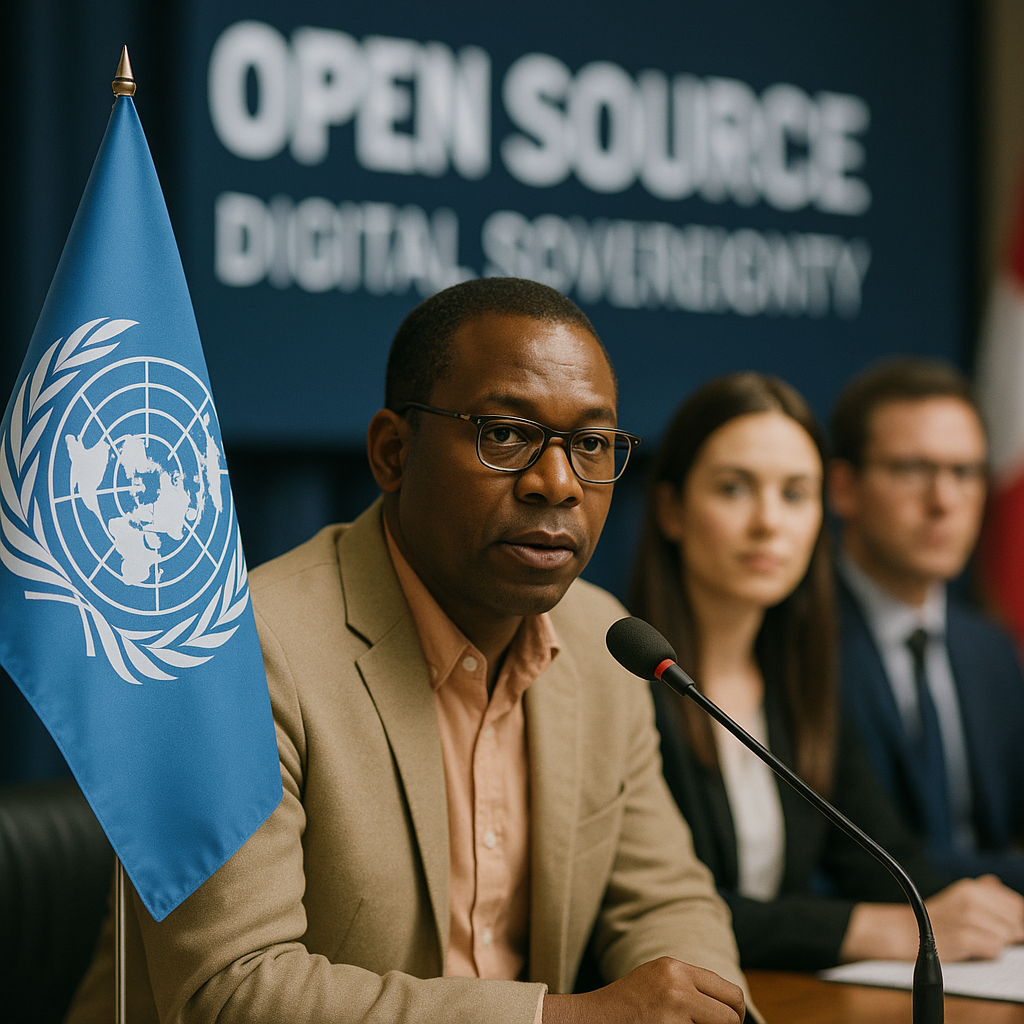
In an era where tech dependency is a growing concern, countries worldwide are shifting towards digital sovereignty, favoring open-source technologies over proprietary solutions from American tech giants. This trend was prominently highlighted during the recent UN Open Source Week, where representatives from various nations reiterated the critical need for control over digital infrastructure and data sovereignty.
What is Digital Sovereignty?
Digital sovereignty is the concept of national control over digital systems, infrastructure, and data. It transcends mere protectionism, emerging as a strategic framework through which countries can safeguard their interests in an interconnected and often vulnerable global digital landscape. The primary goal is to empower nations with the ability to operate independently from dominant tech providers like Google, Amazon, and Microsoft, which have historically dictated the terms of engagement in digital ecosystems.
Countries Embracing Open Source
Countries such as Germany, Ireland, Morocco, and Tanzania are at the forefront of this movement, advocating for open-source solutions as essential components of their digital strategy. Tanzania’s Minister for Legal and Constitutional Affairs, Angellah Jasmine Kairuki, emphasized this transition from being « passive consumers » to « active creators of technology, » indicating a shift that allows nations to not just use technology but to be integral to its development.
Elaborating on this, Kairuki mentioned that over 90% of Tanzania’s government systems now rely on open-source technologies, underscoring a robust legislative framework designed to encourage digital self-sufficiency.
The Role of AI and Interoperability
Leading the discussions at the event was the pressing matter of Artificial Intelligence (AI) sovereignty. Experts argued that for AI systems to be effective and unbiased, data, infrastructure, and governance must be distributed rather than centralized. The call for interoperability emerged as a critical factor to ensure nations can adapt and switch AI models efficiently without compromising service continuity.
Sergio Gago, a CTO in AI, articulated that true sovereignty includes the freedom to question data ownership, access conditions, and model resilience, promoting a landscape where institutions can operate independently from foreign influence.
Europe’s Perspective on Sovereignty
European officials contextualized digital sovereignty as « choice and resilience, » linking it to national security. Ireland’s new Government CIO, Louise McKeever, described sovereignty not as ownership of all technologies but as maintaining meaningful control over digital systems and data. As digital services increasingly pervade public life, reinforcing sovereignty becomes imperative for governments striving for better citizen services.
Insourcing Technology Development
The discussions extended to establishing Open Source Program Offices (OSPOs), which serve as vital instruments for implementing sovereignty initiatives. These offices aim to align open-source usage with national missions, providing legal and operational frameworks for civil servants to innovate and collaborate without regulatory concerns.
Adriana Groh from Germany’s Sovereign Tech Agency noted the need for a cooperative framework where states, businesses, and communities jointly fund and maintain crucial open-source projects, reducing reliance on large, single-source vendors.
Challenges Ahead
However, the path to digital sovereignty is not devoid of challenges. The conversation revealed a need for political will and substantial investment in local capacities, as well as addressing dependency on foreign hardware and infrastructure. Experts highlighted that software openness must go hand in hand with the strategic development of local data centers and cloud services to cultivate a thriving digital ecosystem.
In conclusion, the UN’s Open Source Week served as a crucial platform for countries to share strategies for harnessing open-source tech as a means of achieving digital sovereignty. As nations work towards redefining independence in the tech space, the emphasis remains on collective ownership, partnerships, and resilience against external pressures.
For more information on this trend, visit the source: ZDNet.